
South Korea's state‑owned utility Kepco has proposed that Samsung Electronics and SK Hynix prepay 25 trillion won ($18.4B)** in electricity bills over five years – **Samsung: 20T won ($14.7B), SK Hynix: 5T won ($3.7B) – to fund grid infrastructure for the country's semiconductor clusters. The proposal is based on each company's annual power spend remaining flat through 2027‑2031 (Samsung: 4.1T won in 2025; SK Hynix: 0.9T won).
The scheme extends Kepco's existing prepayment mechanism: early payers typically earn interest, but Kepco is adding special terms to turn bulk prepayments into a new financing channel. To sweeten the deal, Kepco offered an interest rate above the 2‑year Korean government bond yield (3.722% at Thursday's close), with interest to be settled via biannual electricity bill offsets rather than cash payouts. Kepco confirmed the proposal has been formally submitted, though final amounts, terms, and rates remain under negotiation.
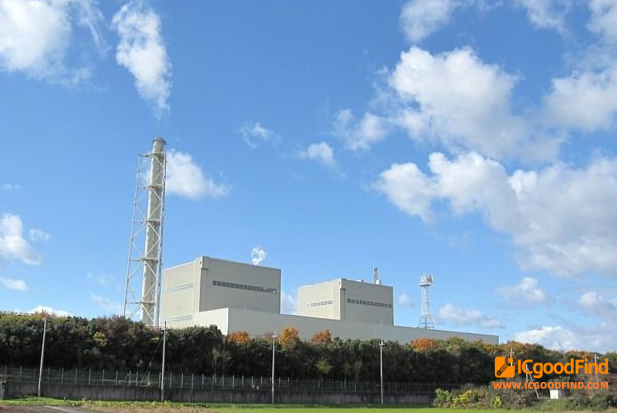
Background: Kepco's debt stood at 210.7T won as of end‑June, with daily interest costs of 11.5B won – severely limiting its ability to fund grid expansion. The prepayment would provide immediate liquidity for the Yongin and southwestern semiconductor clusters, where power infrastructure funding gaps have long been a bottleneck. Kepco's 11th Long‑Term Transmission Plan (2024‑2038) allocates 73T won for grid investment, a 16.3T won increase from the previous plan – with Yongin alone projected to require 10GW by 2050. The first fab in Yongin is scheduled to start production in 2027, requiring a 3GW transmission line from Shinansung to Dongyongin substations.
The upside: Kepco gains upfront capital; Samsung and SK Hynix earn stable, low‑risk returns while ensuring their fab expansion plans are not delayed by power shortages. This concept has also been floated by ruling‑party lawmakers, who advocate that high‑energy users prepay 3‑5 years of electricity costs to fund national‑level transmission and substation infrastructure.
ICgoodFind Takeaway:
Power is becoming a critical capacity constraint for semiconductor manufacturing. This creative financing move highlights how infrastructure bottlenecks – not just fab tools – are shaping memory supply growth. If finalized, it secures electricity for two of the world's largest chip producers while giving Kepco breathing room.
